Why Is My Air Compressor Overheating?
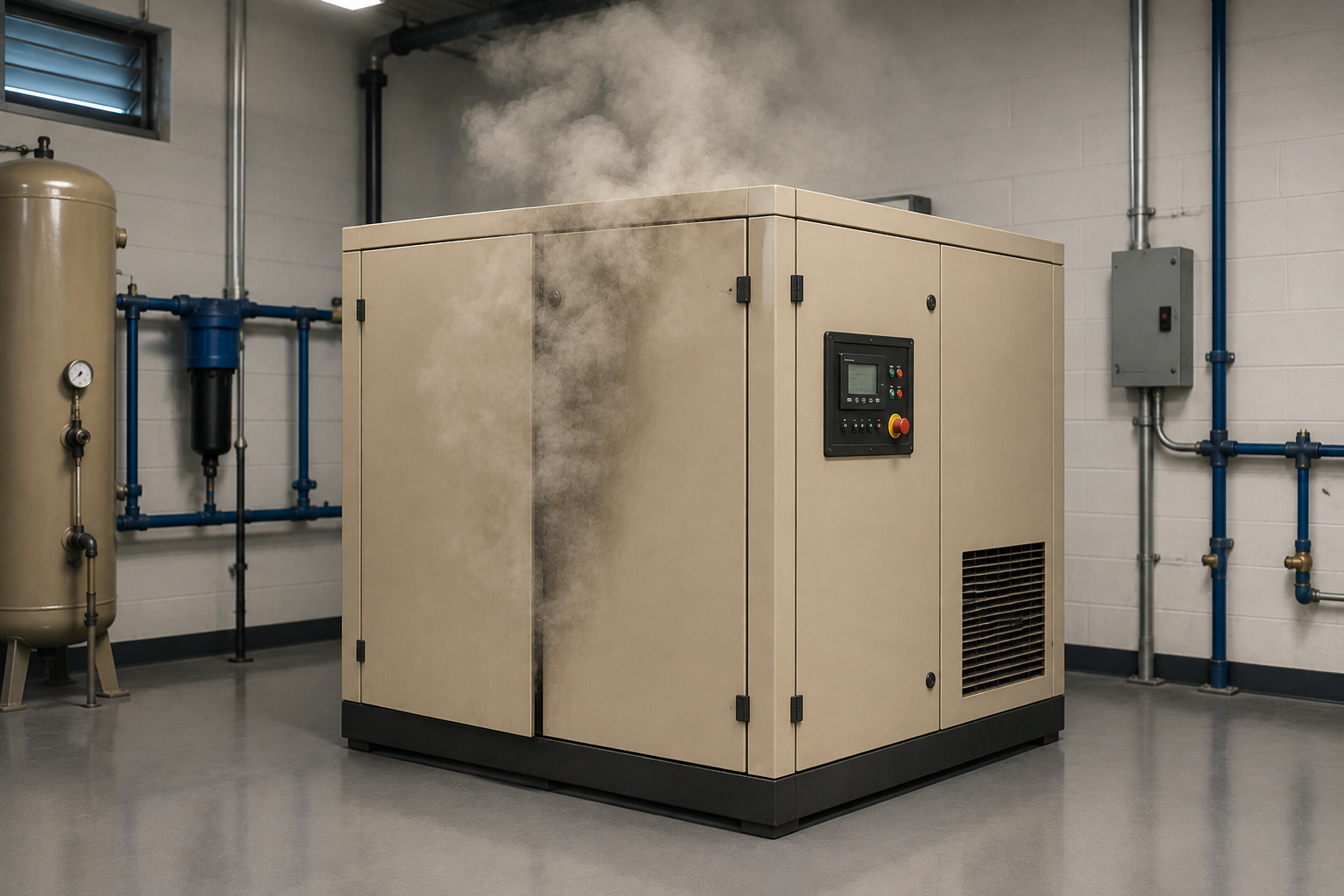
Why air compressors overheat and what you should check to prevent downtime.
An air compressor generates heat during normal operation, but excessive heat can quickly become a serious problem. If your compressor is running hotter than usual, shutting down on high temperature, or repeatedly overheating, it may be warning you that something in the system needs attention.
Common causes of air compressor overheating include low or degraded compressor oil, clogged filters, dirty coolers, poor ventilation, high ambient temperatures, and restricted airflow. In some cases, failing components such as thermostatic valves or oil separators can also contribute to excessive operating temperatures.
Ignoring an overheating compressor can lead to reduced efficiency, premature component wear, lubricant breakdown, unexpected shutdowns, and potentially costly repairs.
Understanding why your air compressor is overheating can help you identify the problem before it becomes a larger failure.
What Temperature Should an Air Compressor Run At?
Normal operating temperature depends on the compressor type, manufacturer, operating conditions, and lubricant being used.
For many oil-injected rotary screw air compressors, discharge temperatures commonly fall somewhere around 170°F to 200°F (77°C to 93°C) during normal operation. However, the correct operating range and high-temperature shutdown point for your compressor should always be verified using the manufacturer's specifications.
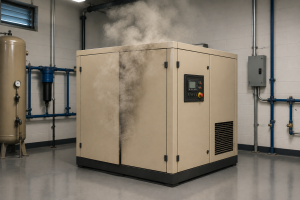
A compressor operating above its normal temperature range may eventually trigger a high-temperature alarm or automatically shut down to protect the equipment.
Occasional temperature increases can result from demanding operating conditions, but repeated overheating usually indicates an underlying problem that should be investigated.
What Causes an Air Compressor to Overheat?
Several problems can cause an air compressor to run hotter than normal. Some of the most common include:
1. Low Compressor Oil Level
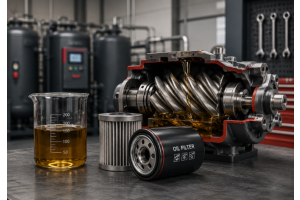
In an oil-injected rotary screw compressor, lubricant does much more than simply reduce friction. Compressor oil also helps remove heat, seal internal clearances, and protect components from wear.
If the oil level becomes too low, the compressor may not be able to remove heat effectively.
Check the oil level according to the manufacturer's recommended procedure. If the compressor is consistently losing oil, investigate the cause rather than repeatedly topping it off.
2. Old or Degraded Compressor Oil
Even when the oil level is correct, the lubricant itself may be contributing to overheating.
Compressor oil is exposed to heat, pressure, moisture, and contaminants throughout its service life. Over time, it can oxidize and lose the properties needed to lubricate and cool the compressor effectively.
Using the wrong lubricant can create similar problems.
Always use a compressor lubricant that meets the specifications for your equipment and follow the recommended oil-change interval for your operating environment.
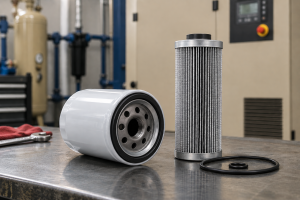
3. Clogged Air or Oil Filters
Restricted filters make the compressor work harder and can interfere with normal airflow and lubricant circulation.
A dirty air intake filter restricts the amount of air entering the compressor. A clogged oil filter can restrict lubricant flow through the system.
Both conditions can contribute to elevated operating temperatures and reduced compressor performance.
Filters should be inspected and replaced according to the manufacturer's maintenance schedule, with more frequent service when operating in dusty or demanding environments.
4. Dirty or Blocked Coolers
Your compressor's cooling system has to transfer a significant amount of heat away from the machine.
Over time, dust, dirt, oil residue, and other debris can accumulate on the cooler and reduce its ability to dissipate heat. Even a compressor with the correct lubricant level and functioning filters may overheat if the cooler cannot effectively release that heat.
Inspect the cooler regularly and keep it clean according to the manufacturer's recommended maintenance procedures.
5. Poor Ventilation Around the Compressor
Sometimes the problem isn't inside the compressor at all.
Air compressors need adequate ventilation to remove the heat they generate. A compressor installed in a small mechanical room, surrounded by equipment, or located where hot exhaust air is recirculated back into the intake can experience significantly higher operating temperatures.
Make sure the compressor room has sufficient airflow and that ventilation openings are not blocked.
The compressor should also have adequate clearance around it for proper cooling and service access.
6. High Ambient Temperature
The temperature of the air surrounding the compressor directly affects its ability to cool itself.
During hot summer weather, compressor rooms can become significantly hotter than the outside air, particularly in facilities without sufficient ventilation.
If overheating problems occur primarily during the hottest part of the day or during summer months, check the compressor room temperature and ventilation system.
Improving airflow or preventing hot discharge air from recirculating into the compressor may help reduce operating temperatures.
7. Restricted or Failing Air/Oil Separator
In an oil-injected rotary screw compressor, the air/oil separator removes lubricant from the compressed air before the air leaves the separator vessel.
As the separator becomes contaminated or restricted, differential pressure can increase. This makes the compressor work harder and can contribute to higher operating temperatures, increased energy consumption, and reduced performance.
A separator that has reached the end of its service life should be replaced with the correct replacement element for the compressor.
8. Thermostatic Valve Problems
The thermostatic valve helps regulate oil temperature by controlling lubricant flow through the oil cooler.
If the valve becomes stuck, damaged, or fails to operate correctly, hot oil may not be routed through the cooler as intended. The result can be rapidly increasing compressor temperature.
Thermostatic valve problems may require additional troubleshooting, particularly if filters, oil levels, coolers, and ventilation have already been checked.
What Are the Signs of an Overheating Air Compressor?
A high-temperature shutdown is the most obvious symptom, but overheating can produce other warning signs before the compressor reaches that point.
Watch for:
- Operating temperatures consistently higher than normal
- High-temperature alarms or warning codes
- Frequent automatic shutdowns
- Reduced compressor performance
- Unusual odors from overheated lubricant
- Oil that appears unusually dark or degraded
- Increased oil consumption
- Excessive heat around the compressor or compressor room
- Maintenance intervals becoming shorter than expected
Repeatedly resetting a compressor after a high-temperature shutdown without identifying the cause can allow the underlying problem to become more serious.
How Do You Troubleshoot an Overheating Air Compressor?
Start with the simplest and most common causes before assuming that a major component has failed.
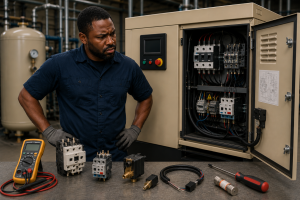
First, verify the compressor's operating temperature against the manufacturer's specifications. Then inspect the oil level and condition, air filter, oil filter, cooler, ventilation, and ambient temperature.
If these basic maintenance items appear normal, investigate components such as the air/oil separator and thermostatic valve.
Also consider whether anything in the compressor's operating environment has recently changed. A ventilation fan may have stopped working, an air intake may have become obstructed, or additional equipment may have increased the temperature of the compressor room.
For persistent overheating or high-temperature shutdowns, consult the compressor manufacturer's service information or a qualified compressed-air service technician.
Can Regular Maintenance Prevent Compressor Overheating?
Many overheating problems can be prevented through routine maintenance.
Filters, separators, lubricants, and other compressor consumables are designed to be serviced at specific intervals. Waiting until a component is severely contaminated or degraded can reduce compressor efficiency and increase operating temperatures.
A preventive maintenance program should include regular inspection of:
- Compressor oil level and condition
- Air intake filters
- Oil filters
- Air/oil separators
- Coolers and heat exchangers
- Ventilation openings
- Hoses and lubricant lines
- Compressor operating temperatures
Maintenance intervals should be adjusted when compressors operate in particularly hot, dusty, humid, or demanding environments.
Frequently Asked Questions About Air Compressor Overheating
Why does my air compressor overheat after running for a while?
If a compressor operates normally when first started but gradually overheats, the cooling system may be unable to remove heat as quickly as the compressor generates it. Common causes include a dirty cooler, restricted airflow, degraded lubricant, clogged filters, poor room ventilation, or a malfunctioning thermostatic valve.
Can low oil cause an air compressor to overheat?
Yes. In an oil-injected compressor, lubricant plays an important role in removing heat as well as reducing friction. An insufficient oil level can result in higher operating temperatures and increased component wear.
Can a dirty air filter cause compressor overheating?
Yes. A severely restricted air intake filter can reduce airflow and make the compressor work harder. Maintaining a clean intake filter helps support proper compressor performance and operating temperature.
Can the wrong compressor oil cause overheating?
Yes. Compressor lubricants are formulated for specific operating temperatures, pressures, materials, and service conditions. Using an incorrect lubricant can reduce cooling and lubrication performance and may contribute to deposits, excessive wear, and overheating.
Why does my air compressor only overheat in the summer?
High ambient temperatures make it more difficult for the compressor's cooling system to release heat. Compressor rooms can become especially hot during summer if ventilation is inadequate or heated exhaust air is allowed to recirculate.
Should I keep restarting my compressor after a high-temperature shutdown?
No. A high-temperature shutdown is designed to protect the compressor from damage. If the compressor repeatedly shuts down because of excessive temperature, determine and correct the underlying cause before continuing normal operation.
Keep Your Air Compressor Running at the Right Temperature
An overheating air compressor is often a sign that the machine needs maintenance or that its cooling system is operating under unfavorable conditions.
Checking the lubricant, filters, air/oil separator, coolers, ventilation, and operating environment can help identify many common overheating problems before they result in an unexpected shutdown or expensive repair.
Regular preventive maintenance and high-quality replacement parts can also help your compressed air system operate reliably and efficiently.
Edmac Compressor Parts offers compressor lubricants, filters, air/oil separators, maintenance kits, valves, and thousands of replacement parts for major air compressor brands. Find the parts you need to keep your compressed air system running efficiently and minimize unnecessary downtime.