Why Is My Air Compressor Producing Water?

Why compressors produce water and how to keep moisture out of your air system.
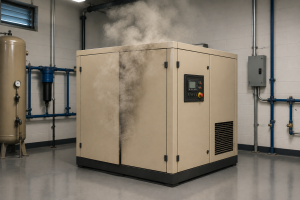
If you've ever drained a receiver tank or noticed water coming out of an air tool, you're not alone. Moisture in a compressed air system is one of the most common concerns maintenance teams and compressor operators encounter.
The good news is that some water in a compressed air system is completely normal. Atmospheric air naturally contains moisture, and every compressor takes in that moisture during the compression process. The challenge isn't preventing water entirely—it's controlling it.
Understanding where that water comes from and how to remove it can help improve reliability, extend component life, and prevent costly downtime.
Why Does Water Form in Compressed Air?
Compressed air systems don't create water. They simply concentrate the moisture that already exists in the surrounding air.
As air enters the compressor, it contains water vapor. During compression, the air temperature rises significantly. Once that hot compressed air leaves the machine and begins to cool, the moisture condenses into liquid water.
It's the same principle that causes condensation to form on a cold glass on a humid day.
The hotter and more humid the surrounding environment, the more water your compressed air system will naturally produce.
Is Water in a Compressed Air System Normal?
Yes. Every compressed air system generates condensate.
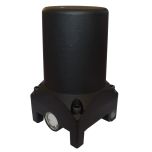
In fact, many operators are surprised to learn just how much water a compressor can produce during normal operation. That's why compressed air systems include receiver tanks, drains, dryers, and filtration equipment. These components are designed specifically to remove moisture before it reaches downstream equipment.
The problem begins when excessive water starts making its way through the system.
Why Too Much Water Is a Problem
Excess moisture can create issues throughout an entire facility.
Water inside compressed air piping can lead to corrosion and rust. Pneumatic tools and cylinders may experience premature wear. Filters become overloaded, and sensitive applications such as paint systems, food production, or instrumentation can suffer from contamination and poor performance.
Over time, excessive moisture usually leads to increased maintenance costs and reduced equipment reliability.
Common Causes of Excessive Water
Humidity is often the biggest contributor. During hot summer months, compressors simply have to deal with more moisture entering the system.
However, weather isn't always the culprit.
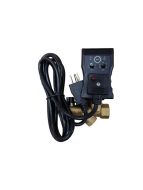
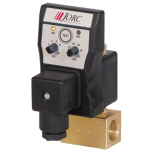
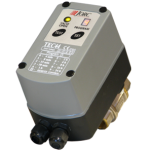
Failed automatic drains are a common cause of moisture problems. Receiver tanks, dryers, and filters all collect condensate, and if those drains stop functioning properly, water begins to accumulate and travel downstream.
Dirty aftercoolers can also contribute to the problem. Coolers are designed to remove heat from compressed air, allowing moisture to condense and separate. When those coolers become clogged with dirt and debris, their efficiency drops and more moisture stays in the air stream.
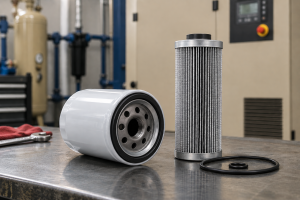
Another possibility is inadequate air treatment. A malfunctioning refrigerated dryer, undersized desiccant dryer, or saturated filter element may no longer be removing moisture effectively.
An Oversized Compressor Can Create Water Problems Too
One cause that often surprises operators is compressor sizing.
Many people assume that bigger is always better, but an oversized compressor can actually contribute to moisture issues.
When a compressor is too large for the application, it may reach pressure very quickly and spend most of its life loading and unloading. This short-cycling prevents the machine from reaching and maintaining normal operating temperatures.
Those temperatures help drive moisture out of the oil and internal components. When the machine never fully warms up, moisture can accumulate inside the compressor and throughout the system.
If you've ever noticed milky oil, excessive condensate, or unusually frequent load/unload cycles, compressor sizing may be worth investigating.
How Compressed Air Systems Remove Moisture
A properly designed compressed air system removes moisture in stages.
The wet receiver tank allows hot compressed air to cool and gives condensate an opportunity to collect. Automatic drains remove that liquid before it travels farther downstream.
Depending on the application, a refrigerated dryer or desiccant dryer removes additional moisture from the air stream. Filters then capture remaining contaminants before the air reaches production equipment.
Each component plays an important role in delivering clean, dry compressed air.
How to Reduce Water in Your Air Compressor System
If moisture has become a recurring problem, start with the basics.
Inspect automatic drains to make sure they're functioning properly. Verify that your dryer is operating correctly and that filters are being replaced according to maintenance schedules. Clean air and oil coolers regularly and confirm that receiver tanks are sized appropriately for the system.
Most importantly, make sure the compressor itself is properly sized for the application. A machine that is too large or too small can create unnecessary operating problems.
Final Thoughts
Water in a compressed air system is unavoidable because atmospheric air naturally contains moisture. The goal isn't eliminating water entirely—it's managing it effectively.
With proper drying equipment, filtration, maintenance, and system design, most moisture-related problems can be controlled before they lead to downtime or equipment damage.
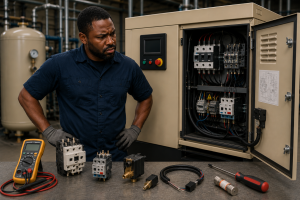
If your facility is experiencing excessive moisture, it may be time to evaluate the condition of your filters, drains, dryer components, and other compressed air system parts.
Frequently Asked Questions
Why does my air compressor produce water?
Compressed air systems naturally produce water because atmospheric air contains moisture. When air is compressed and then cools, water vapor condenses into liquid water.
Is water in an air compressor normal?
Yes. Every compressed air system generates condensate. Receiver tanks, drains, dryers, and filters are designed to remove that moisture before it reaches downstream equipment.
Why is water coming out of my air tools?
Water at the point of use often indicates excessive moisture in the system. Common causes include failed drains, dirty coolers, inadequate drying equipment, or overloaded filters.
Can an oversized compressor cause moisture problems?
Yes. A compressor that is too large for the application may short-cycle and never reach normal operating temperatures. This can allow moisture to accumulate inside the compressor and throughout the system.
How do I reduce moisture in my compressed air system?
Proper maintenance is the first step. Inspect drains regularly, replace filters when necessary, maintain dryers, clean coolers, and ensure the compressor is properly sized for the application.
What type of air dryer removes moisture from compressed air?
Refrigerated dryers and desiccant dryers are the most common solutions. The appropriate dryer depends on the required dew point and the needs of the application.